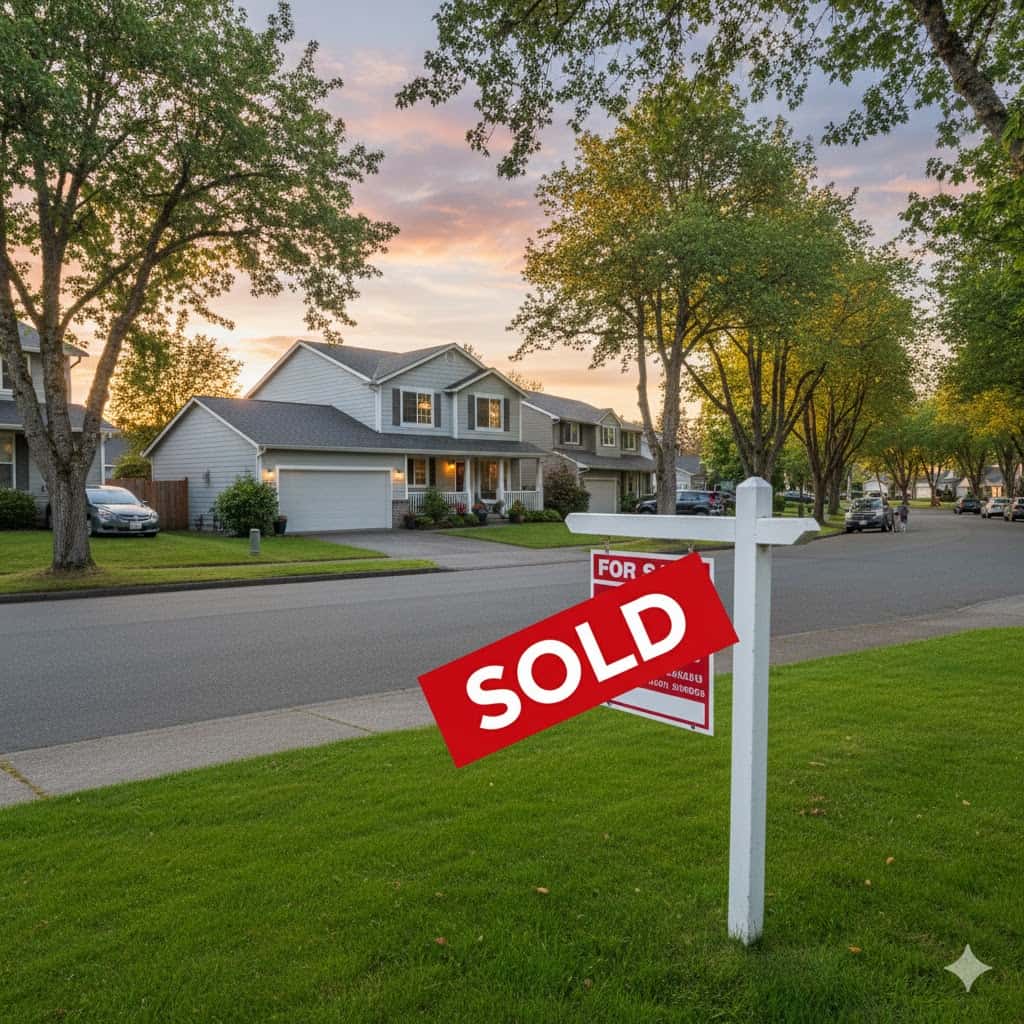
Selling your house the traditional way can take months, and not everyone has the time or budget to wait.
In Vancouver, WA, many homeowners are turning to cash-buying companies to avoid agent commissions, repairs, and endless showings.
But not all cash buyers are created equal.
In this guide, you’ll learn how to spot the best local companies, what to expect in terms of pricing, and how to avoid common pitfalls—so you can sell quickly and with peace of mind.
If you are ready to start the process with us, we have a dedicated page for you to go to begin – Start My Cash For House Journey In Vancouver WA – If not, and you wish to find out what cash home buyers do & how to select a good one, then please read on…
What are cash home buyers in Vancouver, WA? Cash home buyers are companies or investors who purchase properties directly from homeowners without requiring repairs, inspections, or realtor fees.
Quick Overview: Cash Buyer Options in Vancouver, WA
Tier
What It Includes
Typical Offer Range
Best For
Basic Buyers
Simple cash offers, fast closing, no repairs required
Established companies with reviews, transparent process, additional support (probate, tenant issues)
80–85% of market value
Homeowners seeking reliability and service
Key Factors That Influence Cash Offers
Condition of the property – Major repairs or updates reduce offers.
Neighborhood demand – Popular areas of Vancouver command stronger cash prices.
Timeline to sell – The faster you need to close, the lower the likely offer.
Company reputation – Local, trusted buyers often offer more consistent pricing.
Market trends – Rising or falling housing demand in Clark County impacts rates.
Type of buyer – A local investor vs. a national chain can mean very different experiences.
Keyword-Driven Sections
How much do cash buyers pay for houses in Vancouver, WA?
Most companies pay between 60–85% of market value, depending on condition and urgency. While this may be less than listing with a realtor, you avoid repair bills, agent fees, and months of waiting.
Who are the top cash home buyers near me in Vancouver?
Reputable options include local investor groups, established regional companies, and well-reviewed nationwide buyers with a presence in Vancouver. Look for companies with verified Google reviews and transparent contracts.
Are companies that buy houses for cash legit?
Yes—many are legitimate and licensed. The key is to check for local business registration, online reviews, and a clear contract. Avoid buyers who pressure you or refuse to show proof of funds. PDX Renovations – we are legit, and can prove funds.
How fast can I sell my house for cash in Vancouver?
Squatters rights in Oregon have significant implications for property owners and individuals occupying land without ownership.
Understanding land ownership rights is crucial to navigating property laws effectively.
This blog post provides a comprehensive overview of squatters’ rights in Oregon, outlining the legal framework, key considerations for property owners, and the rights afforded to squatters with a successful claim.
Readers will gain insight into the conditions under which squatters can claim ownership, eviction procedures, what is actual possession, essential legal nuances, and the right to vacant property.
By unraveling the complexities surrounding squatters’ rights, legal rights, and questions, individuals can make informed decisions regarding property occupation and ownership in Portland and Oregon
**Please be aware that we, PDX Renovations, are not attorneys. ** ** This is for informational purposes only and should not be considered legal advice.**
Understanding Squatters Rights
Adverse Possession Basics
Adverse possession allows squatters to claim ownership of a property they don’t legally own. This concept is based on the idea that if a property owner neglects their rights, a squatter can step in and take possession. The requirements for adverse possession, a legal right, include open, notorious, continuous, and hostile use of the property.
To claim adverse possession rights, the Portland OR squatter must meet specific criteria set by state law. Typically, this includes a minimum period of occupation by squatters ranging from 5 to 20 years. Paying property taxes, making improvements, demonstrating exclusive control, squatter, and units may be required.
Squatter vs. Trespasser
A squatter is someone who occupies a property unit without permission or legal right with the potential to gain legal rights through adverse possession. On the other hand, a trespasser enters a property without permission but does not intend to establish residency and does not have such potential.
Legal Protections for Owners
Oregon property owners have legal protections against squatters through eviction processes and legal recourse. They can also take preemptive measures to protect their properties from adverse possession claims by understanding the laws surrounding adverse possession and squatter.
Identifying Illegal Occupancy
Signs of Squatting
Signs of squatters may include unauthorized occupants living on the property or evidence of habitation. Neglected maintenance and lack of utilities can also indicate squatter activity. Unusual activities or people coming and going from the property without authorization may be signs of squatters.
For example, if a property owner notices squatters residing in their vacant property without permission, this could be a clear sign of occupancy. If there is evidence that someone has been using the utilities without authorization, it could indicate squatter.
Documenting Evidence
It’s crucial for property owners to document any evidence related to potential squatter situations.
Documentation can include photographs, videos, witness statements, and any correspondence with the occupants, including squatters. Detailed records will be valuable when pursuing legal action or reporting the situation to law enforcement involving a squatter.
For instance, capturing photographic evidence of unauthorized individuals, such as squatters, entering or leaving the OR property can serve as compelling proof in case legal action becomes necessary. Keeping a log detailing unusual activities observed around the premises can also support claims against illegal occupancy.
Legal Recourse
Property owners have legal recourse when dealing with squatters, such as filing a lawsuit for eviction or trespassing. Consulting with an attorney experienced in property law can help navigate the legal process effectively. Understanding Oregon’s specific laws and regulations is essential for pursuing appropriate legal recourse.
In cases where squatters refuse to vacate despite being served an eviction notice by proper authorities, seeking assistance from law enforcement becomes necessary.
Evicting Squatters Legally
Notice Requirements
Before taking legal action, property owners must provide proper notice tosquatters.
This notice should include a demand to vacate the premises within a specified timeframe. Failure to comply with the notice may result in further legal action.
The purpose of this is to inform squatters of their unlawful occupation and give them an opportunity to leave voluntarily.
For example, if someone has been living in a vacant house without permission for an extended period, the property owner needs to serve them with a formal notice before proceeding with eviction.
Court Procedures
Property owners may have to go to court if squatters don’t leave after being told. They have to file a complaint, go to hearings, and show proof that they own the property and the squatters are there illegally. It’s important to follow the right court steps to make sure the eviction is done legally.
Law Enforcement Involvement
Property owners can involve law enforcement when dealing with squatters who refuse to leave voluntarily. Law enforcement officers can assist in removing squatters and enforcing eviction orders obtained through the courts.
It’s important for property owners to cooperate fully with law enforcement officials and provide them with all necessary documentation regarding ownership and occupancy.
In some cases where verbal warnings or written notices have been ineffective at prompting squatting individuals or groups off your land or out of your building(s), involving local law enforcement might become essential.
Need Help Now?
Preventing Squatting Incidents
Property Security
Keeping properties safe from squatting and unauthorized entry is important. Installing security cameras, alarms, and fences can make properties less attractive to squatters. Regularly checking locks, doors, and windows for weaknesses is also crucial. Ensuring all entry points have strong locks and reinforced doors can reduce the chance of unauthorized access.
Regular inspections of empty or unused buildings are important to catch squatting early. Inspections should include checking for forced entry, different locks, or signs of someone living there.
Acting quickly on any suspicious activity can stop squatting claims. For example, doing regular walkthroughs with a checklist can find squatting problems before they get worse.
Neighbor Awareness
Having a good relationship with neighbors is important for dealing with squatting problems. Neighbors can help by watching out for empty houses and reporting any strange behavior.
Telling neighbors about possible squatting situations promotes watchfulness and benefits the community.
Legal Protection Instruments
Title Search – Oregon
It is important for property owners to conduct a title search in order to understand the legal status of their property. This process helps uncover any existing liens, encumbrances, or claims that may impact ownership rights.
Before taking any action against squatters, it is crucial to ensure clear ownership of the title by conducting a thorough title search.
For example, if a property owner discovers an unresolved lien during the title search, it’s important to address this issue before proceeding with any legal action against potential squatters.
Furthermore, understanding the title search results can provide property owners with valuable insights into the history and current status of their property’s ownership rights.
Insurance Policies
Reviewing insurance policies is crucial to determine coverage for damages caused by squatters.
Some policies protect against vandalism, theft, or property damage from unauthorized occupants. Knowing the extent of coverage can help reduce financial losses from squatting incidents. For example, if a property owner’s policy covers damages caused by squatting, they can handle such situations without facing significant financial burdens.
Legal Counsel
Getting help from a lawyer who knows about property law is important when dealing with squatting problems. They can advise and ensure you follow the laws about squatters’ rights.
When preventive measures don’t work, and squatters continue to occupy a property illegally despite warnings from the owner, it is important to have legal representation.
Removing Squatters Effectively
Legal Notices
Property owners must follow legal requirements when serving notices to squatters. Notices should be in writing, stating the demand for eviction within a specific timeframe. Consult local laws or seek legal advice to comply with notice requirements.
For example, in Oregon, property owners need to serve a 24-hour written notice before filing for an unlawful detainer action. This notice should include the date and time by which the squatter must vacate the premises.
Unlawful Detainer Action
Unlawful detainer actions are when property owners go to court to get their property back from squatters. To be successful, it’s important to follow the right legal steps.
In Oregon, if a squatter refuses to leave after being given a 24-hour written notice, property owners have the option to file an unlawful detainer complaint with the court. If successful, they will be granted a writ of execution, which allows law enforcement officers to physically remove the squatters from the property.
Post-Eviction Process
After removing squatters, property owners should secure the property and prevent re-entry. This includes changing locks, fixing damages, and inspecting thoroughly.
Property owners may also have to follow local laws when getting rid of any belongings left behind by the squatters. According to state statutes, landlords must store abandoned personal property for at least 30 days before disposing of it in Oregon.
Who is a Squatter?
Oregon property owners should regularly assess their ownership status to prevent adverse possession claims. Understanding the requirements for adverse possession in Oregon can help protect property rights. Reviewing property records and seeking legal advice can ensure owners stay informed about their rights.
Property owners should establish their tenure by actively using and maintaining the property to prevent adverse possession claims. Regularly occupying the property, paying property taxes, and making improvements can demonstrate active ownership. Consistently asserting ownership rights is essential in preventing adverse possession.
Property Records Review
Regularly reviewing property records is important to stay informed about potential encroachments or unauthorized occupation of your land. By monitoring these records closely, you can identify any irregularities or unauthorized activities that could lead to squatter problems.
Legal Consultation
It’s a good idea for property owners in Oregon to ask a real estate lawyer for help. They can explain your rights and advise on avoiding adverse possession claims.
Protecting Against Illegal Occupancy
Preemptive Measures
To prevent unauthorized occupation, property owners should take action. They can put up “no trespassing” signs, secure fences and gates, or install security systems.
These steps will discourage squatters and keep control of the property.
For example, an Oregon property owner with a vacant home can use visible signs and strong locks to stop unauthorized people from entering.
Property Monitoring
Regularly monitoring vacant properties can help detect unauthorized occupation early on.
Using technology like security cameras or alarm systems aids in remote property monitoring.
Addressing signs of squatting promptly prevents adverse possession claims.
For example, a landowner might install motion-activated security cameras around a vacant building to keep an eye on it remotely.
If any unauthorized individuals are detected, local authorities can be alerted quickly to prevent the situation from escalating.
Overview of Rights and Laws
Adverse Possession Overview
Adverse possession lets people own a property by living there without permission. Each state has different laws about it, including how long someone has to live there and other conditions. It’s important for both property owners and potential claimants to know about this.
In Oregon, squatters must occupy a property for 10 years before they can claim ownership. This means that if someone occupies another person’s land or building without permission for 10 years, they may be able to legally own it.
Property owners should know these laws to prevent adverse possession claims.
Regular inspections and legal advice can help protect against potential claims.
Property owners can protect themselves by knowing their rights under the laws in their state.
Final Remarks
Knowing about squatters’ rights, identifying unlawful occupancy, evicting squatters legally, preventing squatting incidents, using legal protection instruments, removing squatters effectively, and protecting against illegal occupancy is important for property owners.
People can confidently protect their properties and handle squatting problems by learning about these topics.
Property owners should stay informed about their rights and the laws to have a secure property. They can do this by being proactive and taking preventive measures like regular property checks.
If there is a squatting incident, they should take legal action promptly. Seeking legal advice is important to protect property rights and follow the law.
If you are facing any of these issues with a house you own in Portland, OR, or across Oregon (We now also cover Vancouver, Washington) and would like a quick, hassle-free solution, please contact us at PDX Renovations below.
Frequently Asked Questions
What are squatters’ rights in Oregon?
In Oregon, squatters may gain legal ownership of a property through adverse possession if they openly occupy it for 10 consecutive years, pay property taxes, and meet other specific criteria outlined in the state’s laws.
How can one identify illegal occupancy by squatters?
This can be identified through signs such as unauthorized changes to the property, lack of utility payments, or evidence of forced entry. Property owners should regularly inspect their properties to detect any signs of unauthorized occupation.
What is the legal process for evicting squatters in Oregon and serving an eviction notice to a criminal trespasser on a vacant property?
Property owners must file an unlawful detainer lawsuit with the court to legally evict squatters in Oregon. This initiates a legal process that allows the owner to lawfully regain possession of their property.
How can one prevent squatting incidents on their property?
Property owners should secure vacant properties with locks and alarms to prevent squatting, conduct regular inspections, address any unauthorized occupation promptly, and post “no trespassing” signs.
Are there legal protection instruments available for property owners against squatting, squatters’ rights, adverse possession laws, eviction notices, and eviction processes?
Property owners can protect against squatting by installing security cameras or hiring a property management company. Seeking advice from real estate attorneys is recommended.
Key Takeaways
Understanding squatter’s rights is crucial for property owners to protect their interests and take necessary legal action if needed.
Identifying illegal occupancy early on can help prevent damage and legal complications associated with squatters.
Evicting squatters legally involves following the proper legal procedures and documentation to avoid any legal repercussions.
Preventing squatting incidents can be achieved through proactive measures such as regular property inspections and clear communication with tenants.
Legal protection instruments like lease agreements and property insurance play a vital role in safeguarding property owners against squatters and illegal occupancy.
Removing squatters effectively requires adherence to state laws, seeking legal counsel, and utilizing law enforcement when necessary.
Are you a hoarder? Have you just inherited a hoarder’s home? – If so, what is the cost to clean a hoarder’s house? How much does a house cleanout cost?
This article looks at these situations and hopefully provides some useful advice or guidance.
What Is Hoarding?
Considered to be a psychological condition, hoarding is where a person holds on to all sorts of items for longer than necessary, regardless of their value.
While this does not sound too serious, things can get out of hand in some cases. The individual in question may be exposed to serious health and safety risks when these items become too much, overwhelming the individual. It may become necessary to clean a hoarder’s house in order to remedy the situation, especially if one is looking to sell their property.
Costs Associated With Hoarding Cleaning
So, what is the cost of cleaning a hoarder’s house?
On average, you will have to pay around $25 to $80 per hour per cleaner to clean a hoarder’s house.
Hoarding cleaning services also charge between $0.75 and $2.5 to clean each square foot of space overrun by hoarded stuff.
In general, the total cost of cleaning a hoarder’s house covers the cost of hiring professional cleaners, renting a dumpster, and disposing of the cleared waste/items.
It is important to note that the above costs mainly relate to straightforward clean-up jobs. This means that you can expect the final cost to vary from one job to the next depending on a variety of factors, including the level of hoarding, home size, type of hoarded items, and more.
Cleaning up a hoarder’s house can be costly and time-consuming. This is mainly why such individuals choose to continue living in such a state.
If you are feeling stressed about living in a hoarder’s house but don’t have the money or energy to clean it up, you can consider selling it as-is.
Our company, PDX Renovations, has done this on quite a few occasions over the years.
For a better understanding of the cost of cleaning a hoarder’s house, continue reading below.
Factors Affecting Hoarding Cleanup Costs
As mentioned above, total hoarding cleanup costs may be affected by a number of factors, including:
Property Details
One of the most important factors influencing the cost of cleaning a hoarder’s house is the size of the property.
Simply put, individuals can expect to pay more when it comes to cleaning up larger properties. As such, it will cost more to clean a commercial space than it would a single-family house.
Larger properties have more space for clutter to accumulate.
Furthermore, the area to be cleaned is larger. With that in mind, a simple cost estimate provided over the phone or online may simply not be enough.
Professional service providers may need to visit the site in person and conduct their own assessment in order for them to come up with a more accurate figure.
It is also important to consider the impact of the location of the property on the overall cleanup cost. The cost of transporting any junk or waste from the property under consideration is included in the overall cost.
The cleanup service won’t have to travel far to get rid of the waste if the property is located close to or within a major town or city. However, a longer trip and higher transportation costs will be incurred in the case of remote properties.
Level Of Hoarding
The level of hoarding also has a huge impact on the final cost of a cleanup project.
Hoarder levels are essentially divided into five – with the first level being the least severe, while the fifth one is the most severe.
Level #1 – Only small amounts of clutter are found in level one hoarder houses.
Level #2 – Odors and waste are noticeable are the second level.
Level #3 – Clutter is found both outside and inside the homes of level three hoarders.
Level #4 – Poor hygiene habits are evident in level four hoarders.
Level #5 – Potential fire hazards, rotting food, and too many pets are all characteristic of level-five hoarders.
You can get a better idea of the cost of a clean-up by simply identifying the hoarder level you are dealing with. This way, you can give the cleaning company a clear description of the situation at hand – which gives them an idea of the amount of clutter they will be facing.
Type Of Hoarder/Presence of Bio-hazardous Waste
Identifying the type of hoarder in question also goes a long way toward determining the final cost of cleaning the hoarder’s house.
There are three different types of hoarders.
Type #1 – Food hoarding is the first type. While it might appear to be somewhat normal, as many people tend to store away food in case of an emergency, these individuals take things to the extreme. They have an irresistible urge when it comes to the food stored in their houses.
Type #2 – Animal hoarding is the second type of hoarder. In addition to housing more pets than they are allowed to on their property, animal hoarders also tend to neglect their pets. This, in turn, leads to a situation where their homes are littered with hazardous waste, such as animal waste and bacteria, among others.
Type #3 – Trash hoarding is the last type of hoarding. Such individuals are not only unable to throw out their own trash/garbage but also collect “treasures” from other people’s trash. This can result in the creation of a hazardous environment on top of creating a mess.
As a result, the cleaning requirements of a hoarder’s house may vary depending on the type of hoarding, thus, varying the cleaning cost involved as well.
Level Of Discretion
Hoarding is a very sensitive behavior.
As such, cleaning up a hoarder’s house should be done in a careful and discrete way. Hoarders should be ready to fork out a bit more cash if they want to deal with a discrete service provider.
These professionals can protect you from intrusive and judgmental neighbors by ensuring confidentiality throughout the cleaning process.
Hoarder Involvement In The Clean Up
The level of involvement of a hoarder when it comes to hoarding clean-up projects directly influences the amount of time it will take the cleanup crew to get the job done.
For instance, the hoarder may want to sort through the mess with the cleaning crew, choosing what they want to keep and what they want to get rid of.
In such a scenario, the cleanup process may take much longer, thus resulting in a higher bill at the end of it all.
Hoarder’s House Cleanup Duration
Cleaning a hoarder’s house is a challenging project that takes significant time and effort. We see dealing with squatters as a similar level of project; neither is quick nor simple.
Generally, professional cleaners require about 40 hours to clean a large property and around 10 hours to clean a small house. Considering how draining, physically and emotionally, the work can be, cleaners also need to take regular breaks.
In addition to the cleaning time, you also need to factor in the time needed to sort items and also dispose of any junk.
Free Hoarder Cleaning Services
The home can quickly turn into an unsanitary and dangerous space for individuals suffering from hoarder disorder. Such a home can attract pests or even become a fire hazard.
Fortunately, you can easily find a hoarder help service that will clean your house without charging anything. These services, normally operated by non-profit organizations or local governments, will send a team of professional cleaners to your property to clear any build-up of clutter.
These service providers will also provide you with the assistance you need to effectively deal with your hoarding disorder.
Final Thoughts Regarding Hoarding:
From the above, it is clear to see just how challenging – and costly – cleaning a hoarder’s house can be.
While some cleanup projects can be straightforward, others can quite demanding – depending on the actual situation on the ground. As such, the cost of cleaning a hoarder’s house can vary from one project to the next.
If you do not have the time, money, or patience to dedicate to cleaning a hoarder’s house, you can sell As-Is in a hassle-free way.
At PDX Renovations here in Portland, Oregon, we have bought thousands of properties over the years in As-Is condition, and this includes those owned by hoarders. You can just walk away with cash and leave the cleanup to us.
Sometimes. Policies rarely cover “general cleanup,” but may cover specific hazards (e.g., water damage, biohazard remediation) after a covered event. Check your policy and speak with your insurer.
How long does a hoarder house cleanup take?
From 1–2 days (light to moderate) to 1–2+ weeks (severe, multi-room, structural or biohazard issues). Timeline depends on home size, access, waste volume, and safety risks.
What drives the total cost the most?
Severity and volume, labor hours, disposal/dump fees, specialty services (mold, pest, biohazard), and access/haul-away logistics.
Do I need permits or special approvals?
Usually not for basic removal, but permits or notifications may be required for hazardous waste, structural work, or code violations. Local rules vary—ask your city/county.
Can I keep sentimental or important items?
Yes. A good crew will set aside documents, valuables, and keepsakes using a labeled-bin process so nothing important is discarded.
What safety measures should a cleanup team follow?
PPE (respirators, gloves, suits), ventilated work, safe sorting, sharps protocols, and compliant disposal. Biohazards require certified handling.
How are disposal and dump fees calculated?
By weight/volume, material type, and local facility rates. Heavier loads and restricted items (e-waste, appliances, paint) cost more.
Can the cleanup be phased to control the budget?
Yes. Many owners phase by priority: safety hazards first, then essential rooms (kitchen/bath), then remaining spaces.
What happens after the cleanup?
Deodorizing, deep cleaning, and any needed repairs. To prevent relapse, consider ongoing organization support and, if appropriate, clinical help for hoarding disorder.
Do you offer free estimates in the Portland area?
Yes—PDX Renovations provides fast, no-pressure estimates in Greater Portland. Contact us to schedule.